NFPA 241: Standard for Vacuum Metalizing of Thermoplastic Materials ౼ A Comprehensive Plan
NFPA 241‚ published by the National Fire Protection Association‚ details crucial safety measures for vacuum metalizing processes; the PDF version provides detailed guidance.
NFPA 241‚ a standard developed by the National Fire Protection Association (NFPA)‚ addresses the unique fire and explosion hazards present during vacuum metalizing of thermoplastic materials. This comprehensive document provides detailed guidelines for safe design‚ operation‚ and maintenance of facilities employing this process.
The standard aims to minimize risks associated with flammable solvents‚ combustible dusts generated from materials‚ and the use of high-vacuum and electrical systems. Obtaining the official NFPA 241 PDF document is crucial for understanding the complete requirements and ensuring full compliance with industry best practices and safety regulations. It’s a vital resource for facility managers‚ safety professionals‚ and operators.
Scope and Application of the Standard
NFPA 241’s scope encompasses all facilities engaged in vacuum metalizing of thermoplastic materials‚ covering processes where a thin metallic coating is applied to plastic substrates within a vacuum environment. This includes operations utilizing various metals and solvents‚ and generating potentially combustible dusts.
The standard applies to new installations and retrofits of existing facilities. Accessing the complete NFPA 241 PDF from the National Fire Protection Association clarifies specific applications‚ outlining requirements for hazard assessment‚ system design‚ operational procedures‚ and emergency preparedness. It’s essential for anyone involved in this specialized manufacturing process.
Key Definitions & Terminology
NFPA 241 establishes precise definitions crucial for consistent interpretation and application of the standard. Terms like “vacuum metalizing‚” “thermoplastic material‚” “combustible dust‚” and “hazardous atmosphere” are clearly defined within the National Fire Protection Association’s document.
Understanding these definitions‚ readily available in the NFPA 241 PDF‚ is paramount for compliance. The standard also clarifies terms related to system components – vacuum chambers‚ metal sources‚ and exhaust systems – ensuring all stakeholders share a common understanding of the technical language used throughout the regulation.
Vacuum Metalizing Process Defined
NFPA 241 defines vacuum metalizing as a process where a thin film of metal is deposited onto a thermoplastic substrate within a vacuum environment. This involves vaporizing a metal source and allowing it to condense on the cooler thermoplastic material.

The National Fire Protection Association’s standard emphasizes that this process generates potentially combustible metallic dusts and flammable vapors‚ necessitating stringent safety protocols. Details regarding process parameters and material characteristics are outlined in the NFPA 241 PDF‚ crucial for hazard identification and risk mitigation.
Thermoplastic Materials Covered
NFPA 241 applies to a wide range of thermoplastic materials commonly used in vacuum metalizing‚ including but not limited to‚ acrylonitrile butadiene styrene (ABS)‚ polycarbonate‚ polypropylene‚ and polyethylene. The National Fire Protection Association standard acknowledges the varying flammability characteristics of these materials.
The NFPA 241 PDF details how material properties influence fire hazards during the metalizing process. It’s vital to consult the document for specific guidance on handling and processing different thermoplastics to ensure compliance and minimize potential risks within the vacuum metalizing environment.
Hazards Addressed by NFPA 241
NFPA 241‚ as detailed in the National Fire Protection Association’s PDF document‚ primarily addresses fire and explosion hazards associated with combustible dusts generated during vacuum metalizing. These dusts‚ often from thermoplastic materials‚ can create explosive atmospheres if not properly controlled.
The standard also tackles risks related to flammable vapors from solvents used in cleaning and preparation‚ as well as electrical hazards inherent in the vacuum metalizing equipment. Understanding these hazards‚ thoroughly outlined in the NFPA 241 PDF‚ is crucial for implementing effective safety measures.
Fire Protection Goals & Objectives

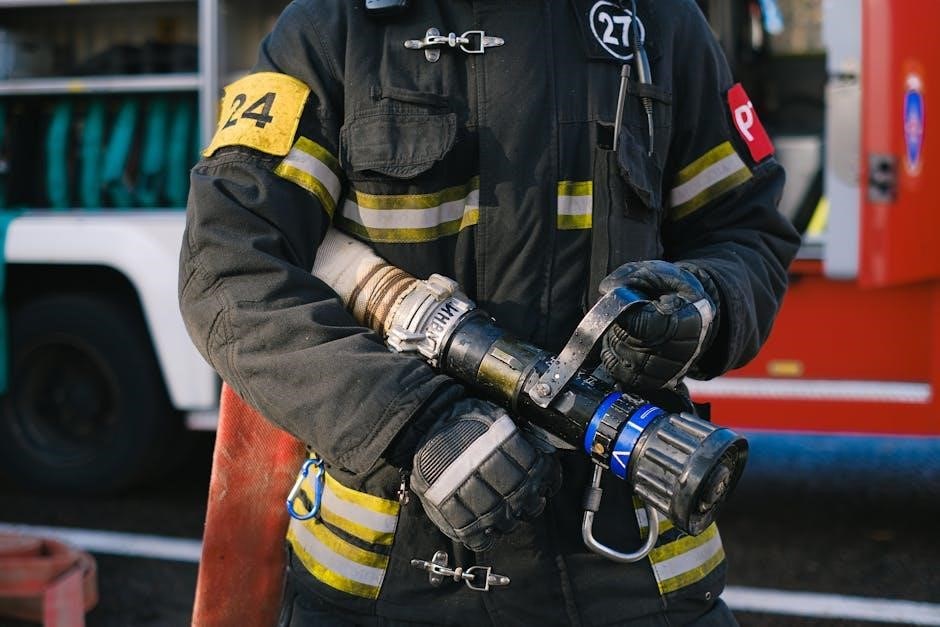
According to the National Fire Protection Association’s NFPA 241 PDF‚ the primary goal is minimizing the risk of fire and explosion during vacuum metalizing. Objectives include preventing combustible dust accumulation‚ controlling ignition sources‚ and ensuring rapid detection and suppression of any fires that may occur.
The standard aims to protect personnel‚ property‚ and the environment by establishing clear guidelines for system design‚ operation‚ and maintenance. The NFPA 241 PDF emphasizes a proactive approach to fire safety‚ focusing on hazard mitigation and emergency preparedness within the vacuum metalizing process.
Preventing Ignition of Combustible Dusts
The NFPA 241 PDF‚ from the National Fire Protection Association‚ details stringent measures to prevent combustible dust ignition. These include minimizing dust accumulation through regular cleaning‚ utilizing dust collection systems designed for the specific materials‚ and controlling potential ignition sources like static electricity and hot surfaces.

Proper grounding and bonding are crucial‚ as outlined in the NFPA 241 PDF‚ alongside the use of intrinsically safe electrical equipment. The standard emphasizes hazard analysis to identify and mitigate dust explosion risks‚ ensuring a safe operating environment during vacuum metalizing.
Controlling Hazardous Atmospheres
The NFPA 241 PDF‚ a resource from the National Fire Protection Association‚ stresses the importance of controlling hazardous atmospheres created during vacuum metalizing. This involves continuous monitoring for flammable vapor concentrations and ensuring adequate ventilation to prevent their build-up. Inerting systems‚ using nitrogen or argon‚ are recommended to displace oxygen and create a non-combustible environment.
Detailed guidance within the NFPA 241 PDF covers leak detection‚ atmospheric testing protocols‚ and emergency shutdown procedures to address potential releases of hazardous materials‚ safeguarding personnel and the facility.
System Components & Requirements
As detailed in the NFPA 241 PDF from the National Fire Protection Association‚ vacuum metalizing systems require specific component standards for safety. This includes robust vacuum chambers designed to withstand pressure differentials‚ and properly grounded metal sources to prevent electrical hazards. The PDF outlines requirements for deposition controls‚ ensuring precise material application and minimizing waste.
Furthermore‚ the NFPA 241 standard specifies material compatibility‚ ensuring components won’t react with process chemicals‚ and emphasizes regular inspection of all system parts as documented within the PDF.
Vacuum Chambers & Vessels
The NFPA 241 PDF‚ available from the National Fire Protection Association‚ dedicates significant attention to vacuum chamber integrity. It mandates chambers be constructed of compatible materials‚ resistant to process chemicals and capable of withstanding full vacuum pressures. Detailed within the PDF are requirements for pressure relief devices‚ preventing catastrophic failure.
NFPA 241 also specifies regular inspection protocols‚ including non-destructive testing‚ as outlined in the PDF‚ to detect corrosion or structural weaknesses. Proper grounding and bonding of vessels‚ as detailed in the PDF‚ are crucial for preventing static electricity buildup.
Metal Sources & Deposition Systems
According to the NFPA 241 PDF‚ obtained from the National Fire Protection Association‚ metal sources – whether wire‚ sputtering targets‚ or evaporation boats – must be handled with care to prevent contamination and ensure stable deposition. The PDF details safe procedures for loading‚ unloading‚ and storing these materials.
Deposition systems‚ including electron beam guns and sputtering units‚ require specific shielding and containment as described in the NFPA 241 PDF. Proper cooling and monitoring of these systems‚ as outlined in the PDF‚ are vital to prevent overheating and potential fire hazards.
Electrical Safety Considerations
The NFPA 241 PDF‚ available from the National Fire Protection Association‚ emphasizes rigorous electrical safety protocols. Vacuum metalizing equipment utilizes high voltages and currents‚ demanding strict adherence to grounding and bonding procedures detailed within the PDF. Regular inspection of electrical components‚ as outlined in the PDF‚ is crucial for identifying potential hazards.
The PDF also specifies requirements for electrical enclosures‚ wiring methods‚ and overcurrent protection. Qualified personnel‚ as defined by the NFPA 241 PDF‚ must perform all electrical work and maintenance to ensure compliance and prevent electrical shock or fire.
Ventilation & Exhaust Systems
As detailed in the NFPA 241 PDF from the National Fire Protection Association‚ effective ventilation is paramount. Vacuum metalizing generates fumes and potentially combustible dusts‚ necessitating robust exhaust systems. The PDF specifies airflow rates and capture velocities to maintain a safe working environment.
The NFPA 241 PDF outlines requirements for ductwork materials‚ filter selection‚ and exhaust discharge locations. Regular inspection and maintenance‚ as described in the PDF‚ are vital to ensure continued effectiveness. Air monitoring‚ guided by the PDF’s recommendations‚ verifies system performance and worker safety.
Dust Collection System Design
The NFPA 241 PDF‚ published by the National Fire Protection Association‚ emphasizes a meticulously designed dust collection system. It details requirements for explosion venting‚ suppression‚ and containment‚ crucial for handling combustible metallic dusts. The PDF specifies appropriate filter media and efficiency levels‚ minimizing dust emissions.
System components‚ as outlined in the NFPA 241 PDF‚ must be grounded and bonded to prevent static electricity buildup. Ductwork layout‚ according to the PDF‚ should minimize dead legs and promote smooth airflow. Regular inspections‚ detailed in the PDF‚ are essential for maintaining system integrity.
Air Monitoring Requirements

The NFPA 241 PDF‚ a resource from the National Fire Protection Association‚ mandates continuous or periodic air monitoring to detect hazardous atmospheres. This monitoring‚ detailed within the PDF‚ focuses on oxygen levels‚ flammable gas concentrations‚ and combustible dust levels. The PDF specifies calibration procedures and sensor placement for optimal accuracy.
Alarm systems‚ as described in the NFPA 241 PDF‚ must be integrated with the air monitoring system to alert personnel to dangerous conditions. Records of monitoring data‚ per the PDF‚ are crucial for demonstrating compliance and identifying potential hazards. The PDF also outlines response protocols for alarm activations.
Grounding & Bonding Procedures
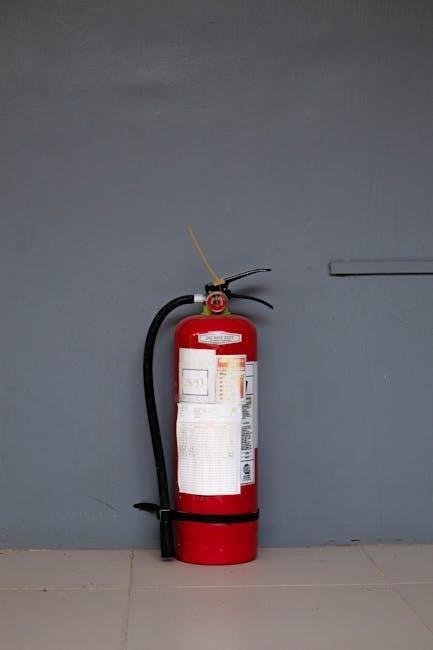
As detailed in the NFPA 241 PDF from the National Fire Protection Association‚ proper grounding and bonding are essential to prevent static electricity buildup. The PDF specifies that all metal components of the vacuum metalizing system – including chambers‚ pumps‚ and metal sources – must be effectively grounded.
Bonding‚ as outlined in the NFPA 241 PDF‚ connects separate metallic objects to equalize electrical potential. The PDF emphasizes regular inspection of grounding and bonding connections to ensure their integrity. Resistance measurements‚ per the PDF‚ should be within acceptable limits. Following these procedures‚ detailed in the PDF‚ minimizes ignition risks.
Operating Procedures & Training
The NFPA 241 PDF‚ available from the National Fire Protection Association‚ stresses comprehensive operating procedures for vacuum metalizing. Detailed written instructions‚ as outlined in the PDF‚ are crucial for safe operation. Thorough training‚ per the PDF‚ must be provided to all personnel involved‚ covering hazard recognition and emergency procedures.
The PDF emphasizes training on proper material handling‚ system startup/shutdown‚ and response to malfunctions. Regular refresher training‚ detailed in the PDF‚ is also recommended. Adherence to these procedures‚ as specified in the NFPA 241 PDF‚ significantly reduces the risk of incidents and ensures a safe working environment.
Safe Startup & Shutdown Procedures
The NFPA 241 PDF‚ from the National Fire Protection Association‚ details meticulous startup sequences. Prior to initiating the vacuum metalizing process‚ the PDF mandates verifying all safety interlocks and grounding connections. Shutdown procedures‚ as outlined in the PDF‚ require controlled venting and cooling of the vacuum chamber.
The PDF stresses a step-by-step approach‚ preventing rapid pressure changes or thermal shocks. Proper lockout/tagout procedures‚ detailed within the NFPA 241 PDF‚ are essential during maintenance. Following these guidelines‚ as presented in the PDF‚ minimizes risks associated with system operation and ensures personnel safety.
Emergency Response Planning
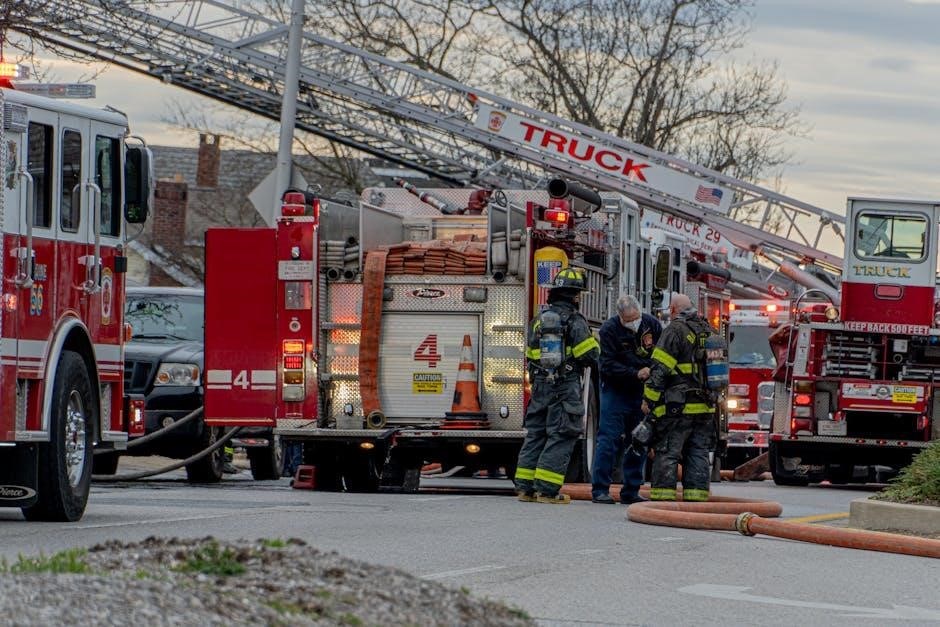
The NFPA 241 PDF‚ a resource from the National Fire Protection Association‚ emphasizes comprehensive emergency planning. It requires documented procedures for scenarios like metal spills‚ vacuum chamber breaches‚ and fire incidents‚ all detailed within the PDF. The PDF mandates readily accessible emergency shutdown controls and clearly marked evacuation routes.

Personnel training‚ as specified in the NFPA 241 PDF‚ must cover these procedures. The PDF also stresses coordination with local emergency services. Regular drills‚ guided by the PDF’s recommendations‚ are crucial for preparedness. Accessing the complete NFPA 241 PDF ensures a thorough understanding of required emergency protocols.
Inspection‚ Testing & Maintenance
The NFPA 241 PDF‚ available from the National Fire Protection Association‚ details rigorous inspection‚ testing‚ and maintenance schedules. Regular checks of vacuum chambers‚ metal sources‚ and safety interlocks are vital‚ as outlined in the PDF. The PDF mandates periodic testing of grounding systems and ventilation effectiveness.
Detailed records of all maintenance activities‚ as described in the NFPA 241 PDF‚ are essential for demonstrating compliance. The PDF also specifies qualified personnel requirements for performing these tasks. Utilizing the NFPA 241 PDF ensures a proactive approach to safety‚ minimizing risks and extending equipment lifespan.
Documentation & Record Keeping
As detailed within the NFPA 241 PDF from the National Fire Protection Association‚ comprehensive documentation is paramount. This includes maintaining records of all training‚ inspections‚ testing‚ and maintenance activities. The PDF specifies the retention period for these records‚ ensuring traceability and accountability.
The NFPA 241 PDF also requires documentation of process changes‚ hazard analyses‚ and emergency response plans. Accurate record-keeping‚ guided by the PDF‚ facilitates effective audits and demonstrates a commitment to safety. Accessing the NFPA 241 PDF is crucial for understanding these detailed requirements.
Compliance & Enforcement
The NFPA 241 PDF‚ issued by the National Fire Protection Association‚ doesn’t directly enforce compliance; that responsibility falls to Authorities Having Jurisdiction (AHJs). These entities – often local fire marshals – utilize NFPA 241 as a benchmark during inspections. The PDF details requirements for facility operators to meet.
Non-compliance‚ as outlined in the NFPA 241 PDF‚ can result in citations‚ fines‚ and operational shutdowns. Understanding the PDF’s stipulations is vital for avoiding penalties. The National Fire Protection Association provides resources‚ but enforcement rests with the AHJ‚ referencing the NFPA 241 PDF.
Relationship to Other NFPA Standards
The NFPA 241 PDF‚ from the National Fire Protection Association‚ doesn’t operate in isolation. It frequently references NFPA 70 (National Electrical Code) for electrical safety aspects detailed within the PDF. Additionally‚ NFPA 45 (Fire Protection for Laboratories Using Chemicals) may apply if chemical processes are integrated with vacuum metalizing‚ as outlined in the PDF.
Furthermore‚ NFPA 101 (Life Safety Code) impacts facility design and egress requirements‚ complementing the safety measures detailed in the NFPA 241 PDF. The National Fire Protection Association emphasizes a holistic approach‚ and understanding these interconnected standards‚ alongside the PDF‚ is crucial.
Accessing the NFPA 241 PDF & Updates
The official NFPA 241 PDF document‚ published by the National Fire Protection Association‚ is available for purchase through the NFPA website (www.nfpa.org). A subscription service provides access to the current version and all revisions‚ ensuring you have the latest safety information detailed in the PDF.
NFPA members often receive discounted access to standards like NFPA 241. Regularly check the National Fire Protection Association website for updates‚ errata‚ and proposed revisions to the PDF. Staying current with these changes is vital for maintaining compliance and ensuring a safe working environment‚ as outlined in the PDF.